Kratom Compliance in 2026: What Every Retailer Needs to Know
The kratom regulatory landscape is evolving rapidly. As a retailer, staying compliant isn’t just about avoiding fines — it’s about protecting your business and your customers. Here’s what you need to know heading into 2026.
The Current Regulatory Framework
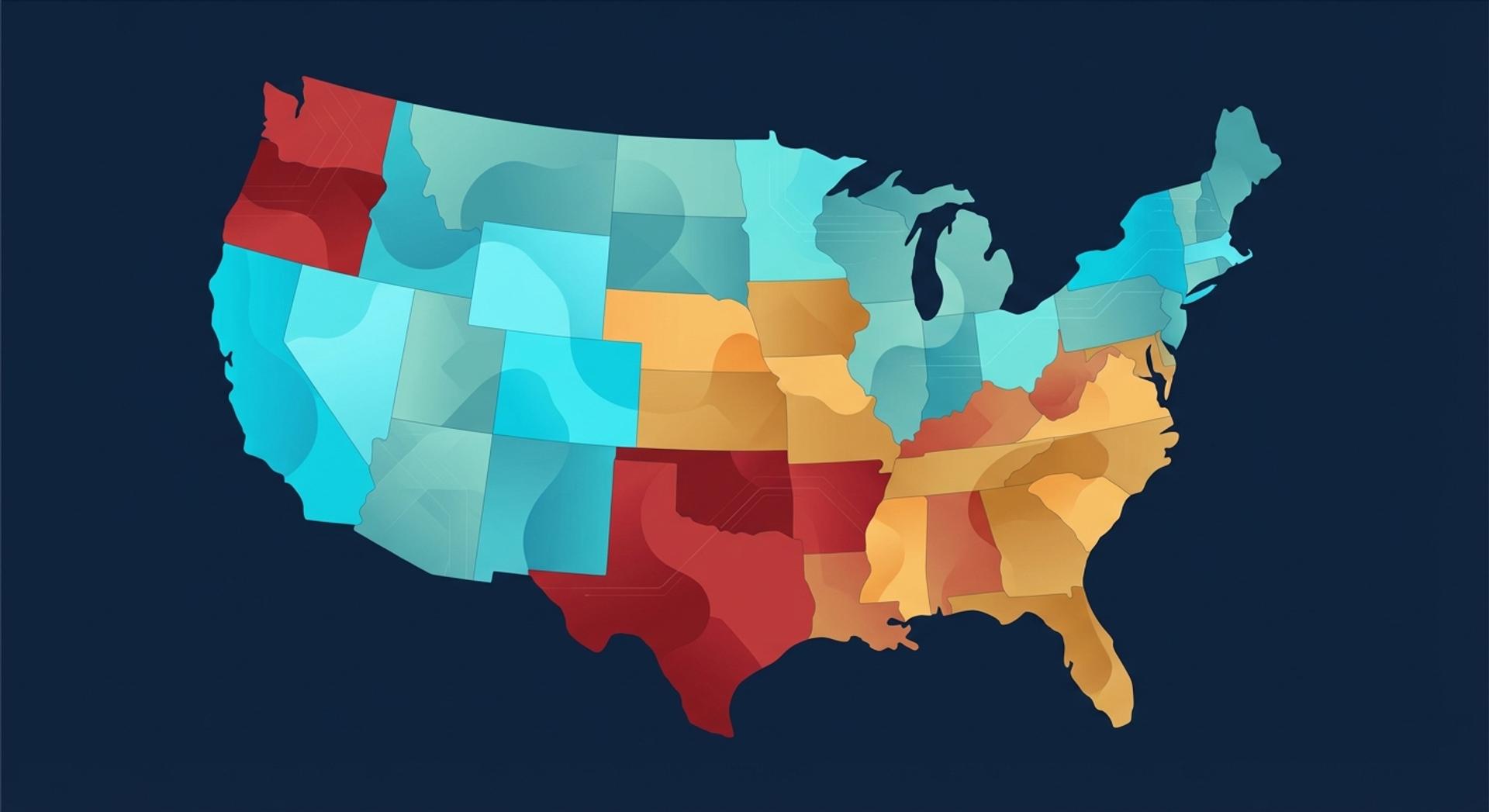
Kratom remains legal at the federal level in the United States, but regulation varies significantly by state and even by municipality. Several states have adopted Kratom Consumer Protection Act (KCPA)–style legislation, which establishes quality and safety standards without banning the plant.
States with KCPA-Style Legislation
States that have adopted consumer protection frameworks generally require:
- Age verification (21+ in most jurisdictions)
- Accurate labeling with alkaloid content
- Third-party testing for contaminants
- Manufacturing in cGMP-compliant facilities
- Product registration with state authorities
These requirements are designed to ensure that kratom products are consistent, traceable, and as safe as possible for consumers.
States with Restrictions or Bans
Some states and municipalities have implemented restrictions ranging from age requirements to full bans on kratom sales and possession. Because these rules can differ from one city or county to the next, retailers must verify the legal status of kratom in every jurisdiction where they operate or ship products.
Failing to do so can expose your business to:
- Product seizures
Kratom Retailer Compliance Checklist for 2025–2026
Use this as a practical, store-ready guide based on the evolving KCPA-style framework and state/local rules.
1. Legal & Jurisdiction Checklist
Action Steps:
- Create and maintain a spreadsheet or document that lists for every state and locality you:
- Operate in (physical stores)
- Ship to (online orders)
- For each jurisdiction, track:
- Legal status of kratom (legal / restricted / banned)
- Age requirement (18+, 21+, or other)
- Registration or licensing requirements
- Any special labeling, testing, or packaging rules
- Review frequency:
- Monthly: Quick scan for new state/local legislation
- Quarterly: Full review and update of your jurisdiction checklist
Operational Rules:
- Do not ship to or sell in jurisdictions with bans or where your legal counsel flags high risk.
- Update your website shipping rules and POS system to block restricted ZIP codes.
2. Age Verification Protocols
In-Store:
- Require government-issued photo ID for every kratom purchase, regardless of apparent age.
- Set your POS to prompt for DOB entry on all kratom SKUs.
- Post clear signage at the register and kratom display:
- "Kratom products are restricted to customers 21+ (or applicable age). Valid ID required."
Online:
- Implement third-party age verification at checkout (e.g., AgeChecker, Veratad, or similar).