Third-Party Lab Testing: Why COAs Are Your Best Sales Tool
In a market where trust is everything, Certificates of Analysis (COAs) aren't just compliance paperwork — they're your most powerful sales tool. Here's how smart retailers are using lab results to close more sales and build lasting customer loyalty.
What Is a COA?
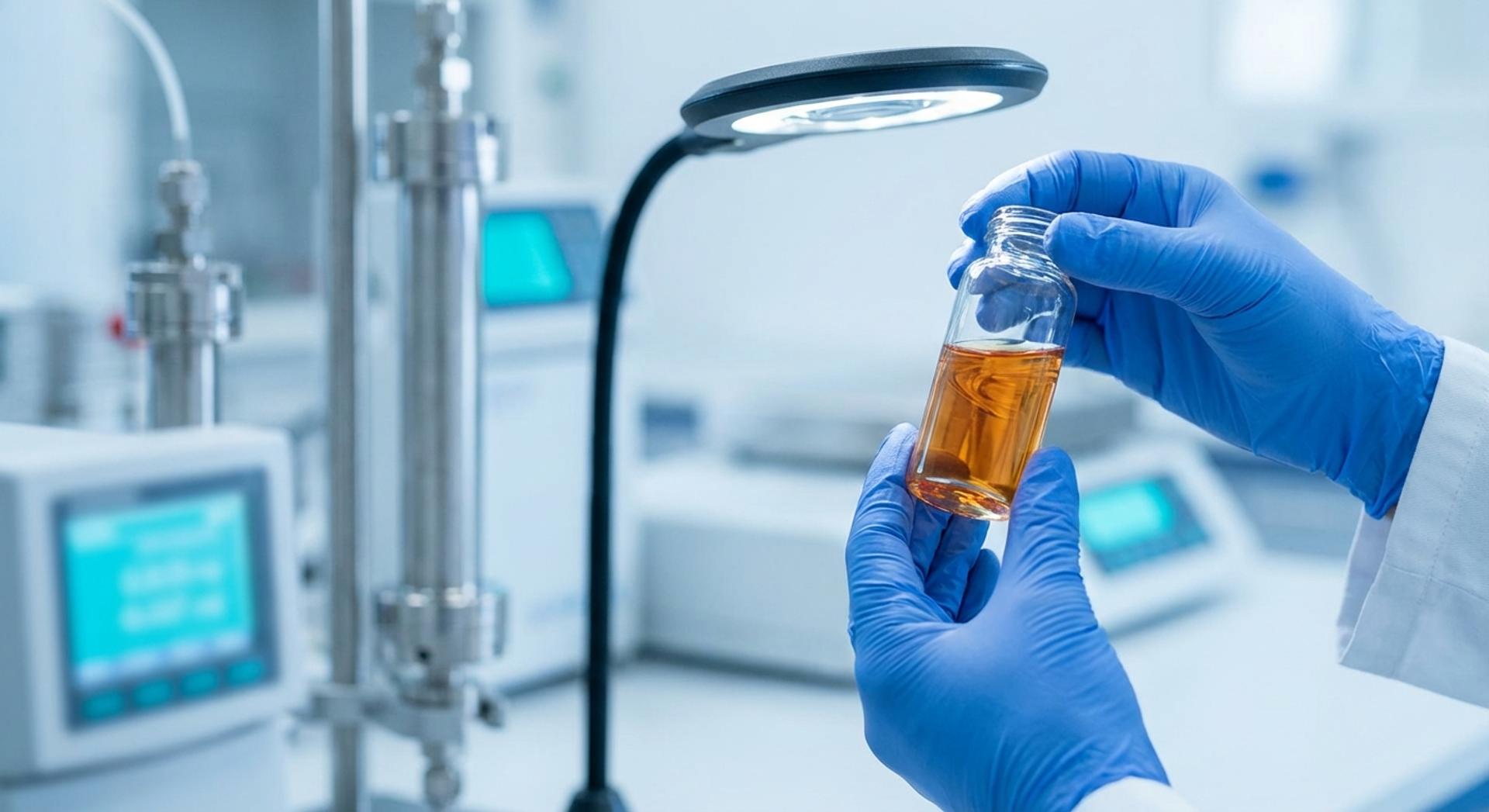
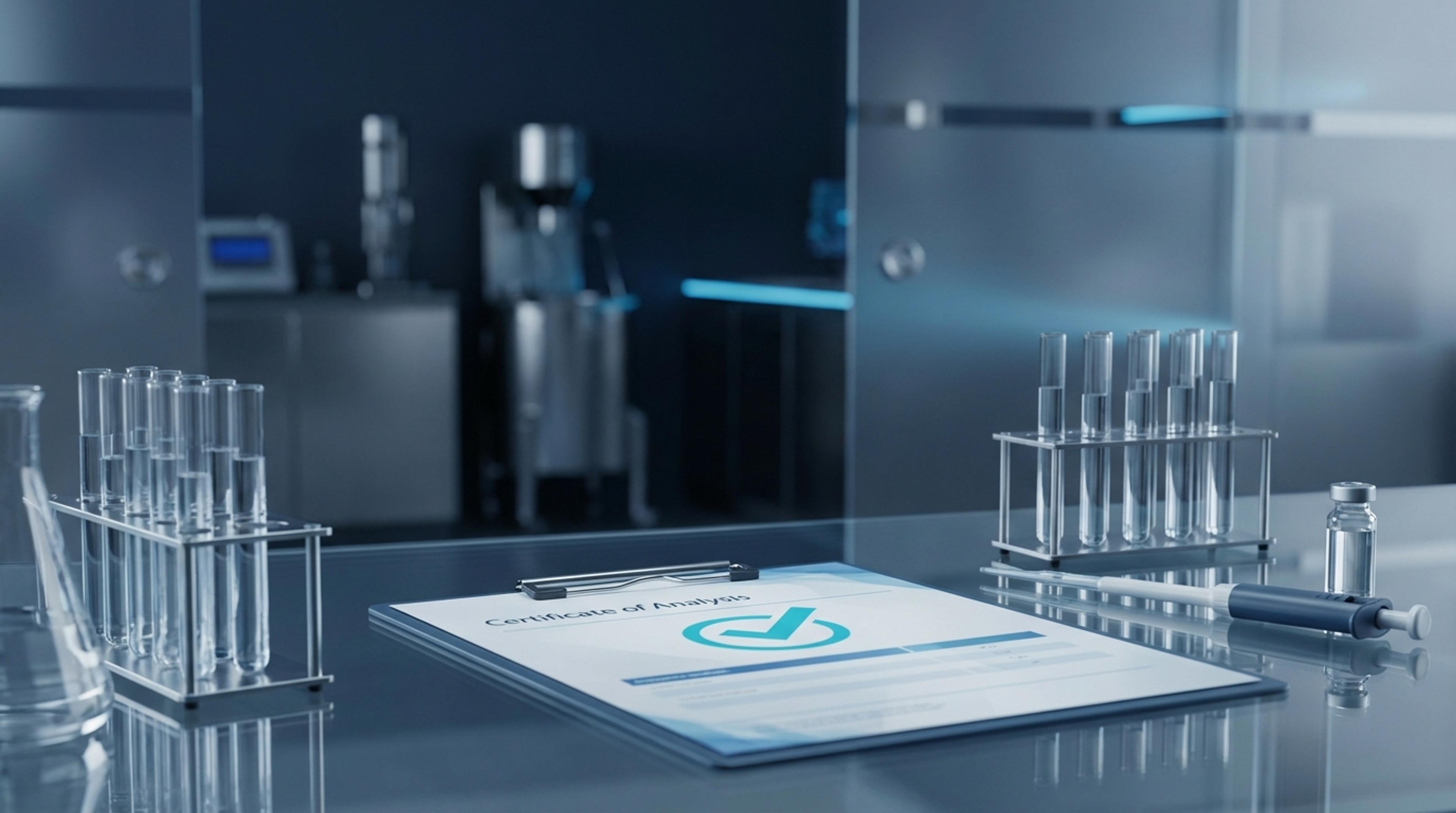
A Certificate of Analysis (COA) is a document issued by an independent, accredited laboratory that verifies the contents and safety of a product. For kratom products, a COA typically reports on:
- Alkaloid potency — confirms the exact milligram content of active compounds like 7-hydroxymitragynine and mitragynine
- Contaminant screening — tests for heavy metals (lead, arsenic, mercury, cadmium), microbials (E. coli, salmonella, yeast, mold), and pesticides
- Residual solvents — ensures no harmful chemicals remain from the extraction process
- Identity verification — confirms the product is what the label claims
A legitimate COA should include the lab name and accreditation, sample identification, batch number, test date, results, and testing methodology.
Why COAs Close Sales
Building Instant Trust
When a customer asks "How do I know this is safe?" — a COA is the definitive answer. Having batch-specific COAs accessible (whether printed behind the counter or scannable via QR code) eliminates the biggest objection in the kratom buying journey.
Differentiating from Competitors
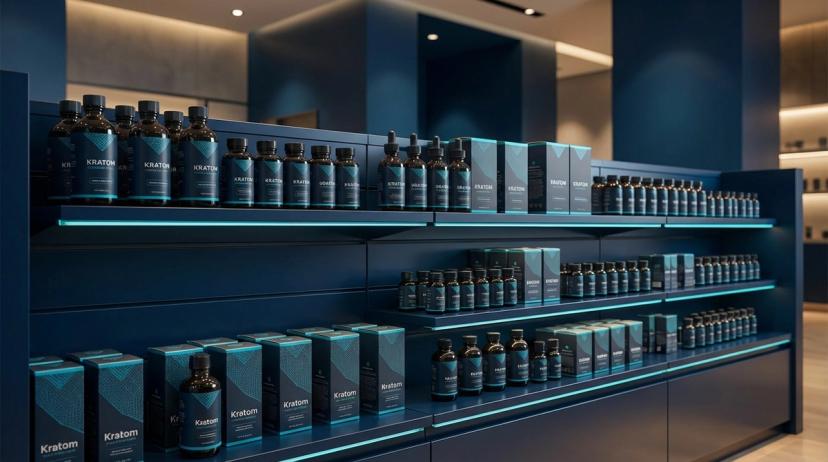
Many retailers stock kratom products without COAs or with outdated, generic test results. By prominently displaying current, batch-specific COAs, you immediately signal that your store prioritizes quality over cutting corners.
Supporting Staff Conversations
Your team doesn't need to be chemists. When a customer asks about product quality, staff can simply pull up the COA and walk through the results. It shifts the conversation from opinion to evidence.
How to Use COAs in Your Store
- QR codes on shelf talkers — Link directly to the COA for the current batch on your shelf. BLNDZ provides these through the Lab Tests portal.
- Binder behind the counter — Print COAs for your top sellers and keep them accessible for customers who want to review the full document.
- Digital display — If you have a screen in-store, rotate COA highlights alongside product information.
- Staff training — Teach your team to proactively mention lab testing: "Every batch is third-party tested — I can show you the lab results right now."
- Social media — Share new COA results when you receive fresh inventory. It signals transparency and gives you content.
Red Flags: When a COA Isn't What It Seems
Not all COAs are created equal. Watch for these warning signs:
- No batch number — A COA without a specific batch number could apply to any product or no product at all
- Old test dates — COAs more than 12 months old may not reflect current product quality
- Unknown or unaccredited labs — Verify the lab has ISO 17025 accreditation or equivalent
- Missing contaminant panels — A COA that only shows potency but skips safety testing is incomplete
- Identical results across batches — Natural products have slight batch-to-batch variation; identical numbers across multiple batches are suspicious
The BLNDZ Standard
Every BLNDZ 7-Series product ships with a batch-specific COA from an accredited third-party laboratory. All results are published on our Lab Tests page — searchable by batch number, product, or date. Retailers can download individual PDFs or bulk-export all COAs as a ZIP file.
This level of transparency isn't optional for us — it's foundational to the brand. And it gives you a concrete tool to differentiate your store in a crowded market.
Bottom Line
COAs transform the sales conversation from "trust me" to "here's the proof." In a market where consumers are increasingly educated and skeptical, transparency isn't just good ethics — it's good business.
Ready to stock products with real lab transparency? Apply for wholesale access and get your first order backed by batch-specific COAs.